
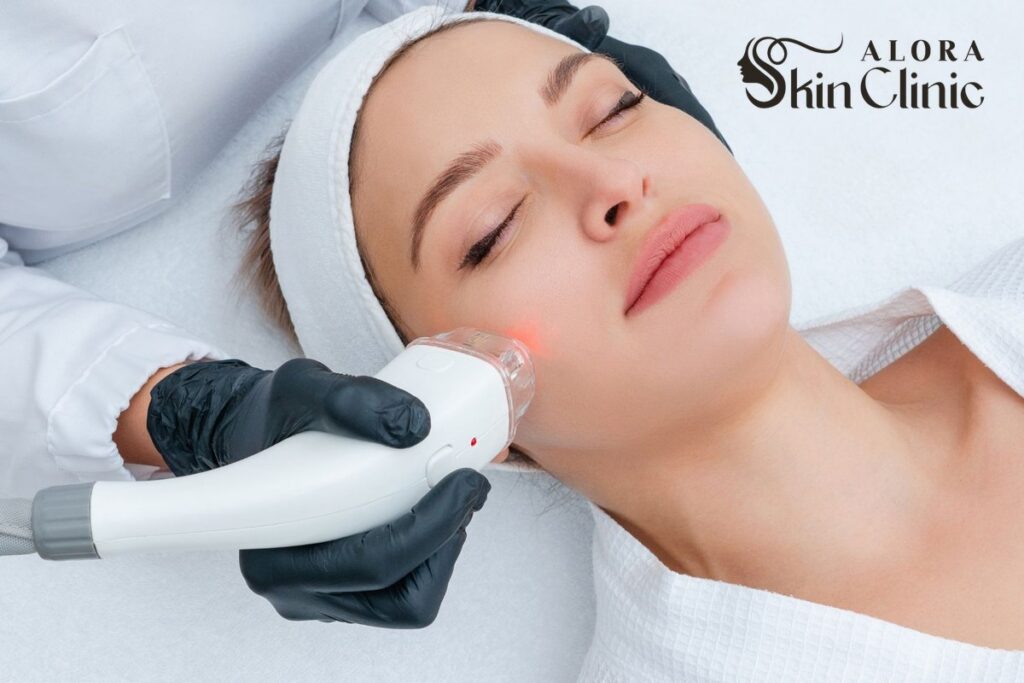
Every July, the same thing happens. Someone decides this is the year they finally deal with their acne scarring, or their jawline, or the hair removal they have been putting off for three summers. They go to book. And then they hesitate, because somewhere they picked up the idea that you are not supposed to have skin treatments in the summer.
So, plainly: most treatments are perfectly fine in the summer. A few need care. Almost none are actually off the table.
The real answer is not seasonal. It is about the sun, and specifically about what your skin has been doing lately and what it is about to do.
The one thing that actually matters
Forget the calendar for a second. Every summer rule about skin treatments comes back to a single fact.
Treated skin is sensitised skin, and sensitised skin plus UV is where pigmentation problems come from.
When you have microneedling, or a laser session, or a resurfacing treatment, you are deliberately creating a controlled injury so that the skin repairs itself better. That is the whole point. But during that repair window, the skin is more reactive than usual. If you then expose it to strong sun, the pigment-producing cells can overreact and leave you with dark patches. That is post-inflammatory hyperpigmentation, and it is the outcome everyone is quietly trying to avoid.
Here is the part that matters in a place as diverse as Scarborough, and it needs saying honestly: this risk is not the same for everyone. Deeper skin tones are more prone to post-inflammatory hyperpigmentation. That is not a reason to avoid treatment. It is a reason to be treated by someone who understands it, adjusts accordingly, and takes the aftercare seriously. We have written separately about hyperpigmentation in skin of colour.
So the summer question is not “is this treatment allowed in July.” It is: can you keep the treated skin out of the sun while it heals?
If the answer is yes, most things are fine. If you are about to spend a week on a beach, that changes the conversation.
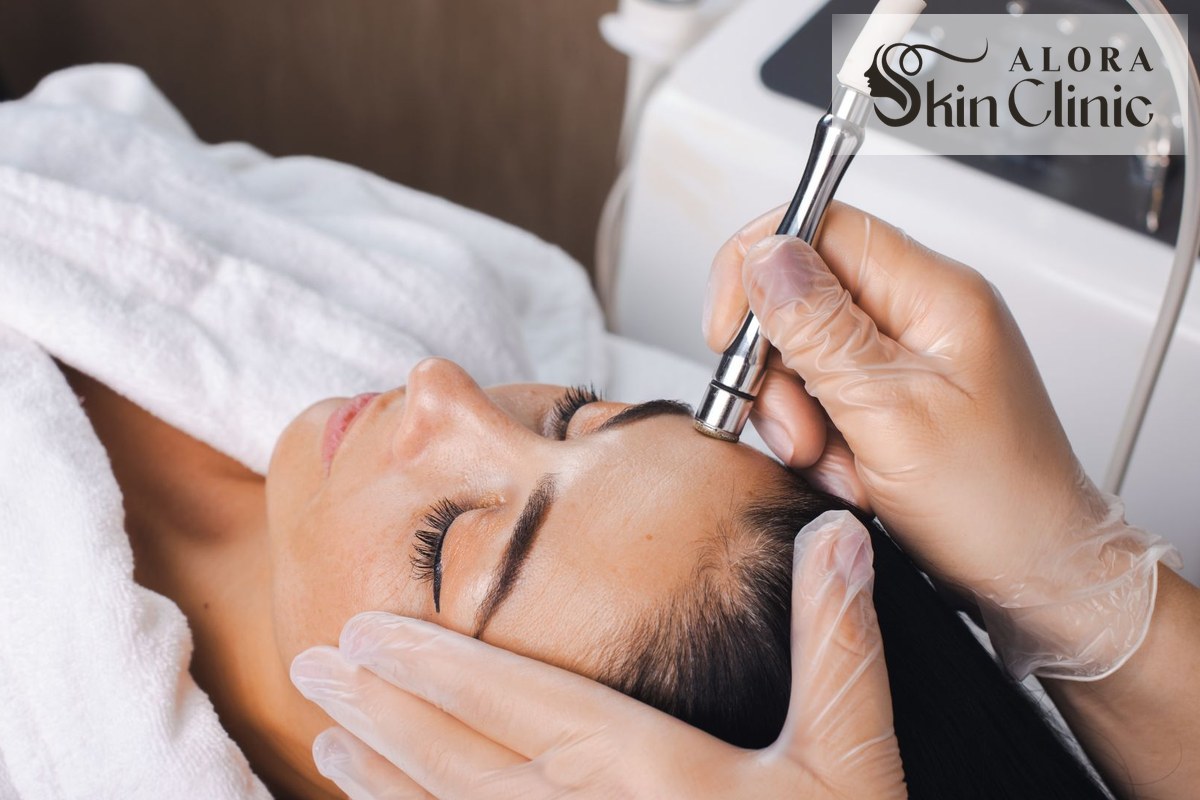
What is generally fine in summer
Facials. Classic, hydrating, oxygen, anti-acne. These work on the surface, they do not create a significant wound, and summer is arguably when your skin most wants them: it is dealing with heat, sweat, sunscreen, and more oil than usual. If anything, this is facial season. If you have never had one, we wrote about how often you actually need one.
HIFU. This one surprises people. HIFU works by delivering focused ultrasound energy to the deep foundational layer, which means the surface of your skin is largely left alone. There is no peeling, no open skin, no resurfacing. That makes it one of the more summer-friendly options for anyone thinking about lifting and tightening. You can read more on our HIFU page.
Anything that does not break or resurface the skin. As a rule of thumb, the less the treatment disturbs the surface, the less the sun matters.
What needs care in summer
Microneedling. Not off limits, but this is the one where aftercare stops being optional. You are creating micro-channels in the skin, and for a few days afterwards it is genuinely more vulnerable. Doable in July, absolutely, provided you commit to staying out of direct sun and being disciplined with SPF while it heals. If you are the kind of person who will be at the beach on Saturday, book it for September instead.
Laser hair removal. This is the treatment with the most genuine summer caveats, and it works in both directions.
Before: laser targets the pigment in the hair. A fresh tan changes the pigment situation in your skin, which affects how the laser behaves. This is why clinics ask about recent sun exposure, and why “I got back from vacation on Tuesday” is a relevant thing to mention.
After: treated skin needs protecting. We covered this in detail in our laser hair removal aftercare guide, and it is worth reading before your first session.
None of that means you cannot have laser in the summer. It means your practitioner needs to know what your skin has actually been doing, and you need to be honest about it. Which brings us to the awkward part.
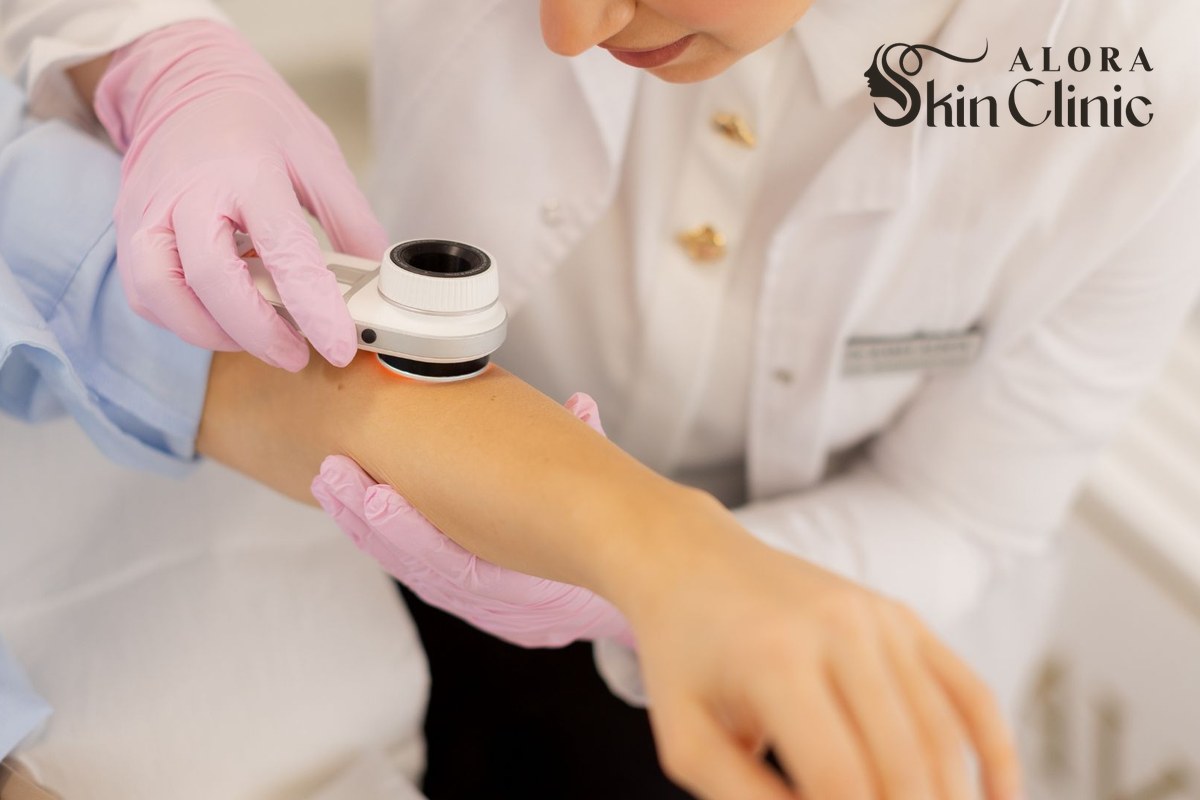
The tan question, answered honestly
People fudge this. They come in with a tan and downplay it, because they do not want to be turned away or rescheduled.
Do not do that.
A practitioner asking about your recent sun exposure is not being difficult. They are trying to avoid burning you or leaving you with pigmentation you will then be trying to fix for the next year. The rescheduling is the treatment working correctly.
Be straightforward: say when you were last in strong sun, whether you have caught any colour, and whether you have used any self-tanner, which matters too. Your specific waiting period, if you need one, is something to confirm at your consultation, because it depends on the treatment, your skin, and how much sun you actually had.
Timing treatments around a vacation
This is the practical bit most people get wrong.
Do not schedule a resurfacing or skin-disturbing treatment right before you fly somewhere sunny. It is the worst possible sequence: you sensitise the skin, then immediately hand it to the strongest UV it will see all year. The whole point of the treatment gets undone, and you risk pigmentation on top.
The better order is the opposite. Have the treatment when you get back, and let it heal while you are going about a normal life indoors.
If you want to look your best for a trip, plan backwards and give yourself real runway. Book the consultation early rather than trying to squeeze a course of anything into the two weeks before you fly. And ask specifically how long before travel your treatment should be finished, because it varies by treatment and it is exactly the kind of thing worth getting right.
Whatever you book, the aftercare is the treatment
You can undo an excellent treatment with a careless week.
Sunscreen daily, and not just when it is sunny. Shade, hats, and staying out of direct midday sun while you are healing. No picking, no scrubbing, no piling on active ingredients because you want to speed things up. And if something looks wrong, call rather than wait. We have a full post-treatment care guide.
The clinic can give you the result. Keeping it is your half of the deal.
So should you book something in July?
Probably, yes.
If you want a facial, book it. If you are thinking about lifting or tightening, HIFU is a reasonable summer option. If you want microneedling or laser, you can absolutely have them, provided you are honest about your sun exposure and serious about the aftercare.
The only genuinely bad plan is booking a skin-disturbing treatment days before a beach holiday and hoping for the best.
Not sure what your skin needs?
Come in and we will tell you honestly, including whether the timing is right and whether something should wait.
Call (647) 547-0597 or get in touch. Alora Skin Clinic, inside Pharmasave, 21 Glendinning Ave, Scarborough. By appointment only.
Frequently asked questions
Can I have microneedling in the summer?
Yes, provided you can keep the treated skin out of direct sun while it heals and you are disciplined with SPF. If a beach week is imminent, it is better to wait.
Can I have laser hair removal if I have a tan?
Tell your practitioner exactly how much sun you have had, including self-tanner. Recent sun exposure affects how laser behaves, and they may recommend waiting. That recommendation is them protecting your skin.
Is HIFU safe in summer?
HIFU works in the deeper layers and does not resurface the skin, which makes it one of the more summer-friendly options. Discuss your specifics at your consultation.
Should I get a treatment before my vacation?
Generally, do it after. Sensitised skin plus strong sun is the sequence you want to avoid. If you want results for a trip, plan well in advance rather than squeezing it in.
Does my skin tone change any of this?
It can. Deeper skin tones are more prone to post-inflammatory hyperpigmentation, so the aftercare matters more and the treatment should be adjusted accordingly. This is something to raise openly at your consultation.