
Toenail Fungus Treatment.
A common problem, worth treating early.
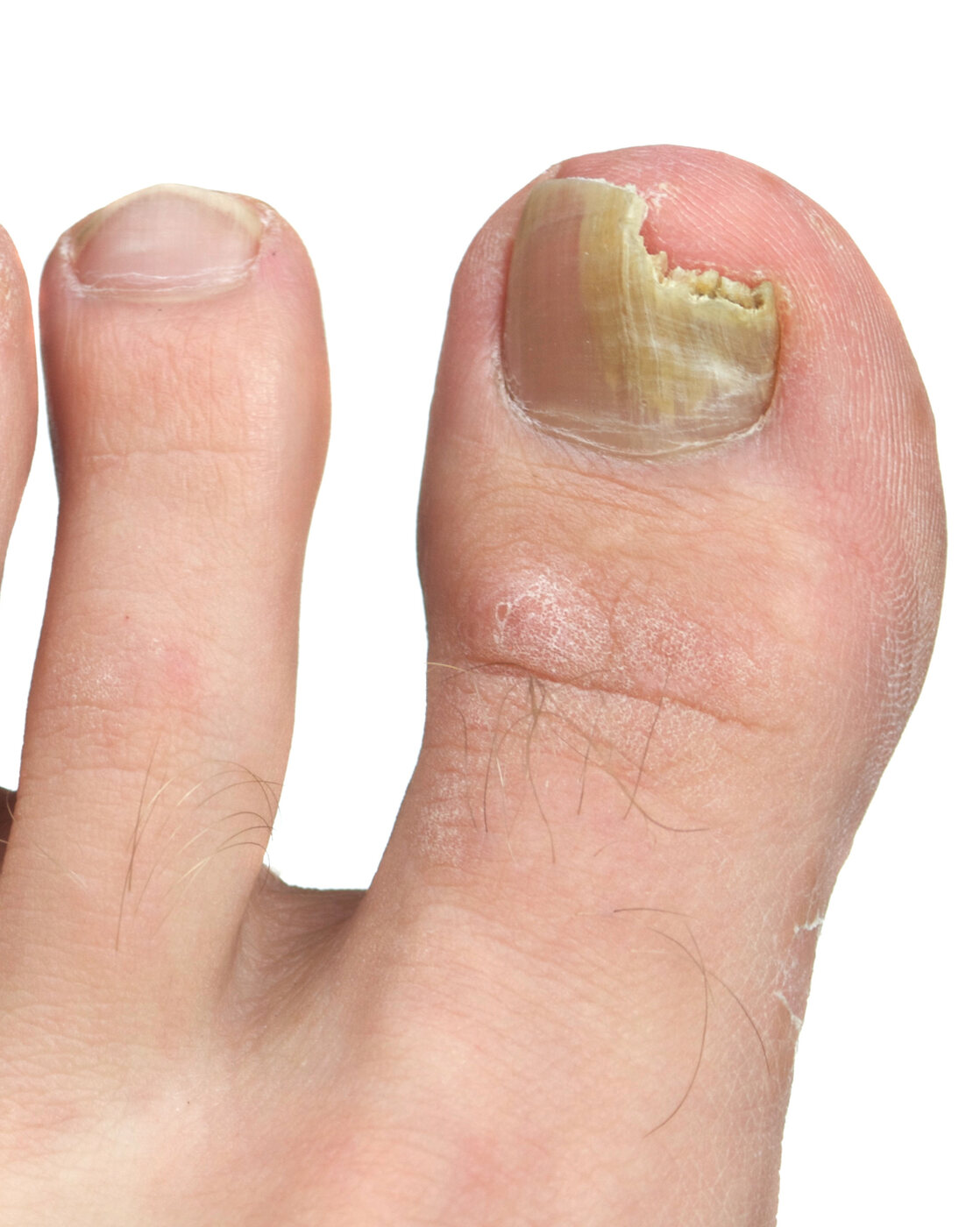
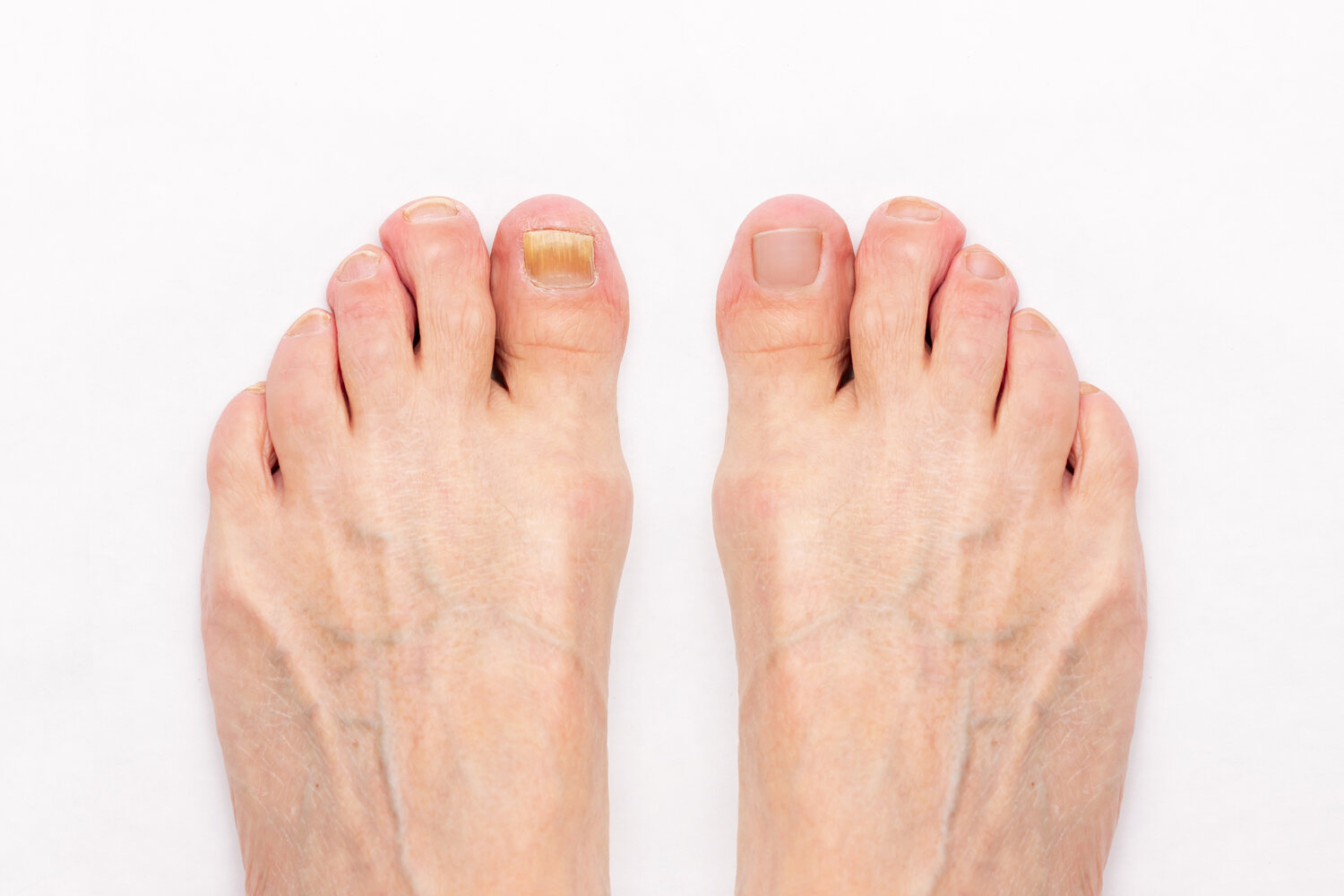
Toenail fungus, known medically as onychomycosis, is an infection caused by fungal organisms that thrive in the warm, damp space inside shoes and socks. It often begins as a small white or yellow spot under the tip of the nail and spreads deeper over time.
Left alone, the nail can thicken, discolour, and crumble at the edge, and the fungus can spread to other nails or the surrounding skin. It rarely clears on its own, which is why treating it sooner tends to give a better result.
At Alora, we use a focused laser treatment that targets the fungus in the nail. We start with an honest look at your nail, explain what is likely happening, and set realistic expectations before any treatment begins.
How to spot nail fungus.
Discolouration
Thickening
Brittle or crumbly edges
Misshapen nail
Lifting from the nail bed
A faint odour
How we approach it.
Assess + Explain
Laser Treatment
Grow Out + Prevent
What raises your risk, and when to act.
What raises the risk
- A history of athlete’s foot, which can spread to the nail
- Sweaty feet and shoes that do not breathe
- Walking barefoot in damp public spaces like pools and locker rooms
- A minor nail injury, or nail salons that reuse tools
When to seek care
- The nail is increasingly discoloured, thick, or misshapen
- Home remedies have not helped
- The fungus is spreading to other nails or the skin
- You have diabetes, poor circulation, or a weakened immune system, in which case seek care early
Clear pricing, honest expectations.
- Consultation and honest assessment first
- Realistic timeline set before you commit
- Performed personally by Naz
- Prevention advice to help keep it away
Toenail fungus, answered honestly.
Nail fungus is caused by fungal organisms that thrive in warm, damp conditions. It often spreads from athlete’s foot, shared damp spaces like pool decks and locker rooms, or a small nail injury, and it becomes more common with age.
Common signs are a nail that is thickened, discoloured yellow or brown, brittle or crumbly at the edge, misshapen, or lifting away from the nail bed, sometimes with a faint odour. A consultation confirms whether fungus is the cause.
Because a toenail grows slowly, clear nail appears gradually as the healthy nail grows out, which can take several months. We set honest expectations and plan any follow-up at your consultation.
Yes. Nail fungus is stubborn and can return even after successful treatment. We share simple prevention habits, such as keeping feet dry, rotating footwear, and treating athlete’s foot early, to lower the chance of it coming back.
Most people tolerate the laser well and feel little more than warmth on the nail. We keep you comfortable throughout and explain each step before we begin.
Book a consultation if the nail is increasingly discoloured, thickened, or misshapen, or if self-care hasn’t helped. If you have diabetes, poor circulation, or a weakened immune system, seek care early rather than treating it at home.
Other Alora treatments.

Laser Hair Removal

HIFU Skin Tightening