
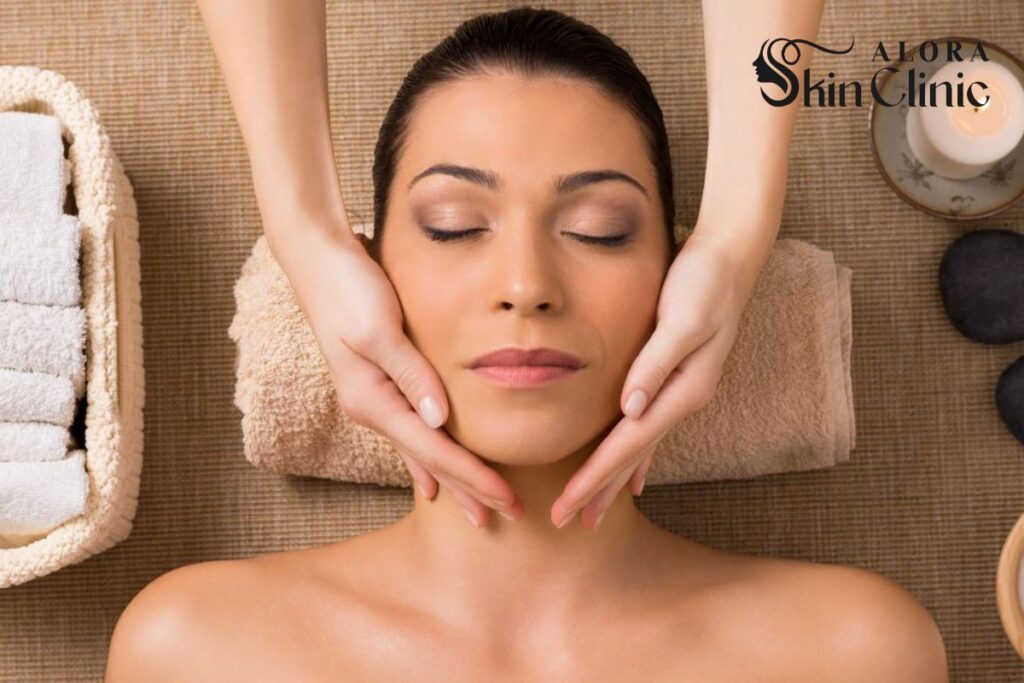
If you have ever walked out of a facial glowing and wondered how often you should be doing this, you are asking exactly the right question. The honest answer is that consistency matters more than the occasional treat, and the right rhythm depends on your skin. Here is a clear guide to how often you should get a facial, how that changes with your skin type, your concerns, and even the season in Scarborough, and how to get the lasting results that a single visit can never quite deliver.
How often should you get a facial?
For most people, the sweet spot is a facial about once every four weeks. That timing is not random. It lines up with your skin’s natural renewal cycle, which takes roughly a month for skin cells to turn over. Coming in around that rhythm means each facial builds on the last instead of starting from scratch, so you get steady, lasting results rather than a one-off glow that fades by the weekend.
Think of it this way: your at-home routine is the daily maintenance, and the facial is the deeper reset that keeps everything on track. Once a month is the cadence that keeps your skin clear, balanced, and glowing over time.
Why the real answer is “it depends”
Once every four weeks is the starting point, not a rule for everyone. We would always rather tailor the plan than hand you a blanket number, because a few things shift the rhythm:
- Your concerns. If you are dealing with acne, congestion, or stubborn breakouts, we may start you closer together, around every two to three weeks for a short stretch, to get things under control before easing back to monthly maintenance.
- Your skin type. Oilier, more reactive skin often does well on a slightly more frequent rhythm, while drier or more sensitive skin usually prefers a gentler monthly schedule.
- Your age and goals. Someone focused on anti-aging and collagen support may pair regular facials with treatments like microneedling or HIFU, which run on their own timelines.
The point is that the right cadence comes out of a proper look at your skin, not a one-size-fits-all schedule.
How the seasons change your facial routine
Season is a bigger factor than most people expect, especially in Scarborough. Winter is hard on skin: the cold outside and the dry indoor heat pull moisture out, so hydration-focused facials tend to matter more in those months. Summer shifts the focus toward oil control, sun exposure, and keeping pores clear. So the plan we recommend in January often looks a little different from the one in July, and we adjust as your skin changes through the year.
What a professional facial does that home care can’t
Good home skincare maintains your skin, but a professional facial does the deeper work you cannot safely do at home. We have professional-grade products, tools, and training that go further than anything on a bathroom shelf.
The biggest difference is extractions: properly clearing out congestion and blackheads without damaging or scarring your skin. That is genuinely hard to do well on yourself, and it usually makes things worse when people try. We also exfoliate at a deeper level, can use treatments at professional strengths, and we read your skin in real time and adjust as we go. Home care is the daily habit that keeps results going. The facial is the reset that home care cannot reach.
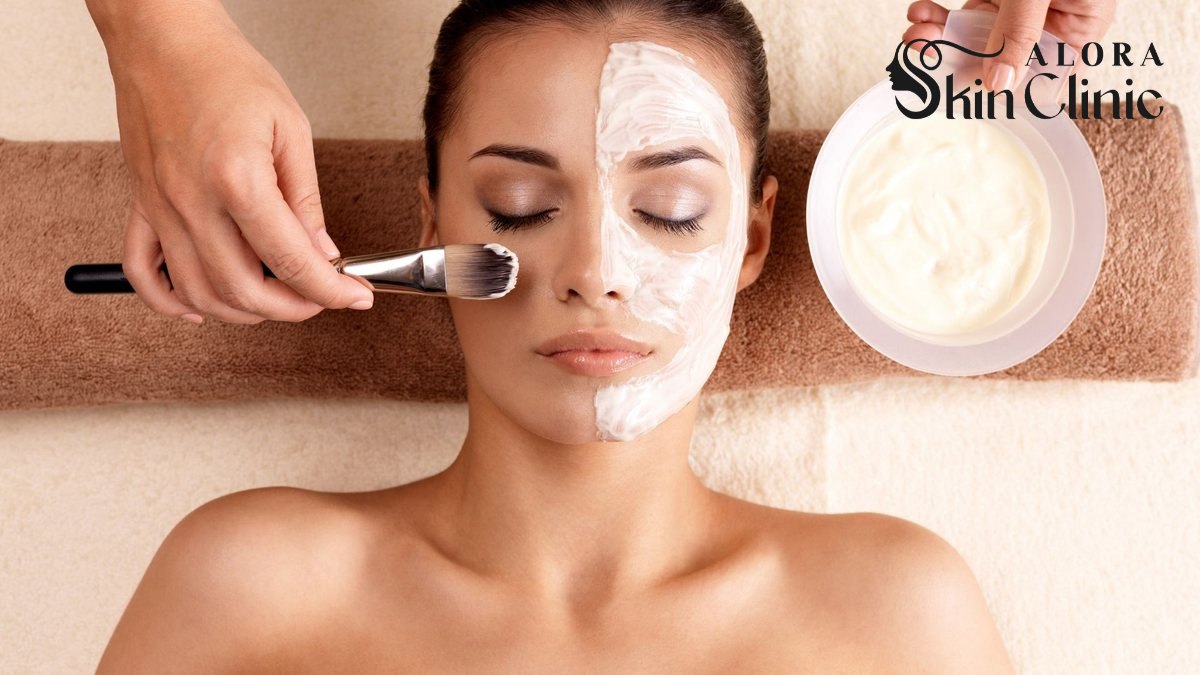
A typical session starts with a proper cleanse and a look at your skin, so we can tailor the treatment to what is actually going on that day. From there it usually moves through exfoliation to lift away dead surface cells, then steam to soften the pores, then extractions to clear congestion. Depending on your skin and goals, we layer in the targeted part, a mask, a hydration boost, a serum, or one of our treatments like a Hydrafacial, oxygen therapy, or microdermabrasion. We finish with calming, nourishing steps and sun protection. Many clients tell us the experience itself is relaxing, almost spa-like, on top of the skincare benefit.
You should not feel pain during a facial. Most of it is genuinely soothing, and the one part people sometimes notice is the extractions, which can feel like mild pressure or a quick pinch. Afterward, your skin feels clean, light, and glowing. For a gentle facial there is essentially no downtime, though it is normal to have some temporary redness or warmth for a few hours, especially after extractions. More intensive treatments like microneedling are a different story, since those can leave you a little pink for a day or two while the skin does its repair work. Right after any facial, keep it simple: go easy on heavy makeup for the rest of the day, protect your skin from the sun, and skip harsh actives at home for a day or two.
Matching the facial to your concern
Part of getting the frequency right is getting the treatment right. At Alora the facials are the flexible base, tailored to your skin that day, and the other treatments layer on when a concern calls for something more targeted. We always start with the concern, then choose the right tool:
- Acne and congestion. A deep-cleansing facial with proper extractions clears blackheads and buildup, and microdermabrasion partners well by exfoliating the surface and smoothing texture. Active breakouts usually start on a tighter rhythm before easing to maintenance.
- Aging and fine lines. This is where collagen-building treatments come in. HIFU is our go-to for non-surgical lifting and tightening around the jawline and neck, while microneedling stimulates your own collagen to soften lines, improve texture, and fade scarring. We often pair these with anti-aging facials.
- Dehydration and dullness. The answer is hydration and resurfacing. A Hydrafacial cleanses, exfoliates, and floods the skin with hydration in one go, oxygen therapy revives tired skin, and microdermabrasion lifts the dead surface cells that make skin look flat.
- Sensitive skin. We keep it gentle and calming and skip the aggressive stuff, usually a soothing, hydration-focused facial and oxygen therapy rather than heavy exfoliation. We read the skin in real time and dial things back as needed.
If you are weighing your options, our guides on Hydrafacial versus a traditional facial and microdermabrasion break down which is right for which concern. None of it is one-size-fits-all, so the real first step is always a proper look at your skin.
What one facial does versus a regular routine
A single facial gives you an immediate glow. Right after, your skin looks brighter, feels cleaner and smoother, makeup sits better, and that fresh look usually lasts somewhere between a few days and about a week. That instant refresh is real, which is why so many people book a facial before a wedding, a shoot, or a big event. What one facial will not do is permanently change your skin, because deeper concerns like texture, breakouts, pigmentation, and fine lines need time and repetition to actually shift.
The bigger difference shows up over a few months of a regular routine. When you come in around once every four weeks, in step with your skin’s renewal cycle, each session builds on the last. Over two to three months, that is when people notice the lasting changes: clearer and more balanced skin, fewer breakouts, more even tone, softer texture, and a glow that holds rather than fading after a week. Collagen-building treatments like microneedling and HIFU work on an even longer timeline, since your body produces new collagen gradually, so their firming and lifting results keep improving for several weeks to a few months. The short version: one facial is a reset, but consistency plus good home care is what creates real change.
What facials can’t do
We would rather be straight with you than oversell. Facials are not a substitute for medical or dermatological treatment. They can support and improve mild to moderate acne, but they will not cure severe cystic or hormonal acne, which is a case for a dermatologist or doctor. They can soften the look of fine lines and boost firmness, but they will not erase deep wrinkles or replace what injectables like Botox or fillers do, and they will not deliver a surgical facelift, even though HIFU can give a meaningful non-surgical lift over time. They can brighten and even out tone, but deeper pigmentation, melasma, or significant scarring often needs more targeted treatments and patience. And anything that looks like a suspicious mole or a genuine skin condition belongs with a medical professional, not a facial.
The two biggest myths about facials
“A facial is a one-time treat.” People often book a single session before an event, then wonder why the glow fades. Skin is a living organ that keeps renewing, so the real benefit comes from consistency, not a one-and-done visit. This is the same reason the benefits of professional facials really add up over time.
“More is always better.” The opposite myth is booking aggressive treatments too close together, thinking it speeds things up, when that can actually irritate the skin. The goal is the right rhythm for your skin, not the most facials possible.
Getting started in Scarborough
Our honest advice is to just start, and not overthink it. You do not need perfect skin or a shelf of products to walk in. The best first step is a proper consultation, because that is when we look at your skin, talk through your concerns and goals, and build the plan around you rather than guessing. We tailor everything, and there is a welcome offer for new clients, so it is an easy, low-pressure way to find out what your skin actually responds to.
A few tips for your first visit: come in with bare or minimal makeup if you can, be ready to mention any allergies, sensitivities, or products you are using, and do not book an aggressive treatment right before a big event. Give your skin a little buffer beforehand instead. If you are getting back into a routine after time away, ease in: start with one facial, see how your skin feels, then settle into a rhythm, usually about once every four weeks, and we adjust through the seasons.
Frequently asked questions
How often should you get a facial?
For most people, about once every four weeks, which matches your skin’s natural renewal cycle. If you are treating active breakouts we may start closer together, around every two to three weeks, then ease back to monthly maintenance once things settle.
Can you get a facial too often?
Yes. Booking aggressive treatments too close together can irritate the skin and set you back. The goal is the right rhythm for your skin type and concerns, not the most facials possible, which is exactly what your assessment helps set.
How long do the results of a facial last?
A single facial’s glow usually lasts a few days to about a week. The lasting changes, clearer skin, more even tone, and softer texture, show up over two to three months of a regular routine paired with good home care.
Is one facial enough to fix my skin?
One facial is a reset, not a permanent fix. It gives an immediate glow, but deeper concerns like texture, breakouts, and pigmentation need a consistent routine over time to actually change.
Do I need a facial if I already have a good skincare routine?
Home care maintains your skin, but a professional facial does the deeper work you cannot safely do at home, especially extractions and professional-strength exfoliation. The two work best together.
Book your facial in Scarborough
The real magic of facials is not a single visit, it is a steady, tailored rhythm that keeps your skin clear, healthy, and glowing. If you have been on the fence, that is your sign. The best first step is a quick consultation so we can look at your skin and build a plan that fits your life. Call us at (647) 547-0597 or request a consultation through our website to book, and you can see all current treatments on our price list or learn more about our customized facials in Scarborough. Alora Skin Clinic is located inside Pharmasave at 21 Glendinning Ave, Scarborough, ON M1W 3E2, by appointment.
If you are weighing up how often to book, it helps to understand whether facials are actually good for your skin and the benefits to expect.