
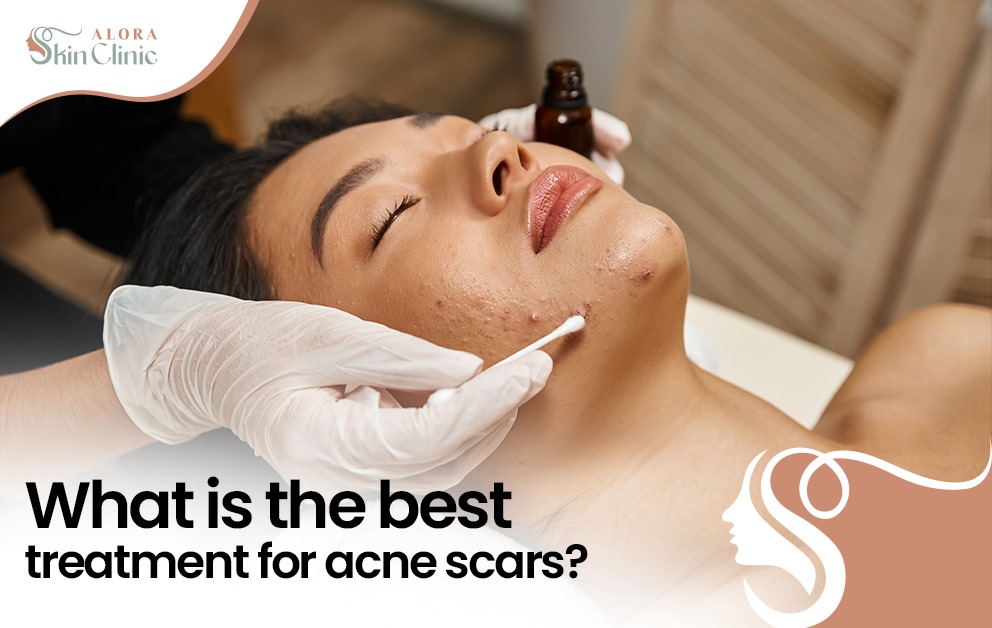
You finally got through the worst of your breakouts. Cleansers, creams, lifestyle changes — you did the work. Now, all that’s left are the marks that tell the story. What remains are the quiet traces they left behind, and you’re ready to move on.
A lot of people want to know what is the best treatment for acne scars is, but the truth is, there’s no magic fix. Different scars need different strategies.
Why It Depends on Your Scar Type
Not all scars are created equal. The type of acne scar you have plays a big role in what works best. Here’s a quick overview:
| Scar Type | Best Treatments | Setting |
| Boxcar Scars | Laser Therapy, Subcision, Dermal Fillers, Chemical Peels | Clinic |
| Ice Pick Scars | CROSS Technique, Deep Chemical Peels, Punch Excision | Clinic |
| Rolling Scars | Subcision, RF Microneedling, Dermal Fillers | Clinic |
| Keloid Scars(Hypertrophic) | Steroid Injections, Cryotherapy, Surgical Removal, Laser | Clinic |
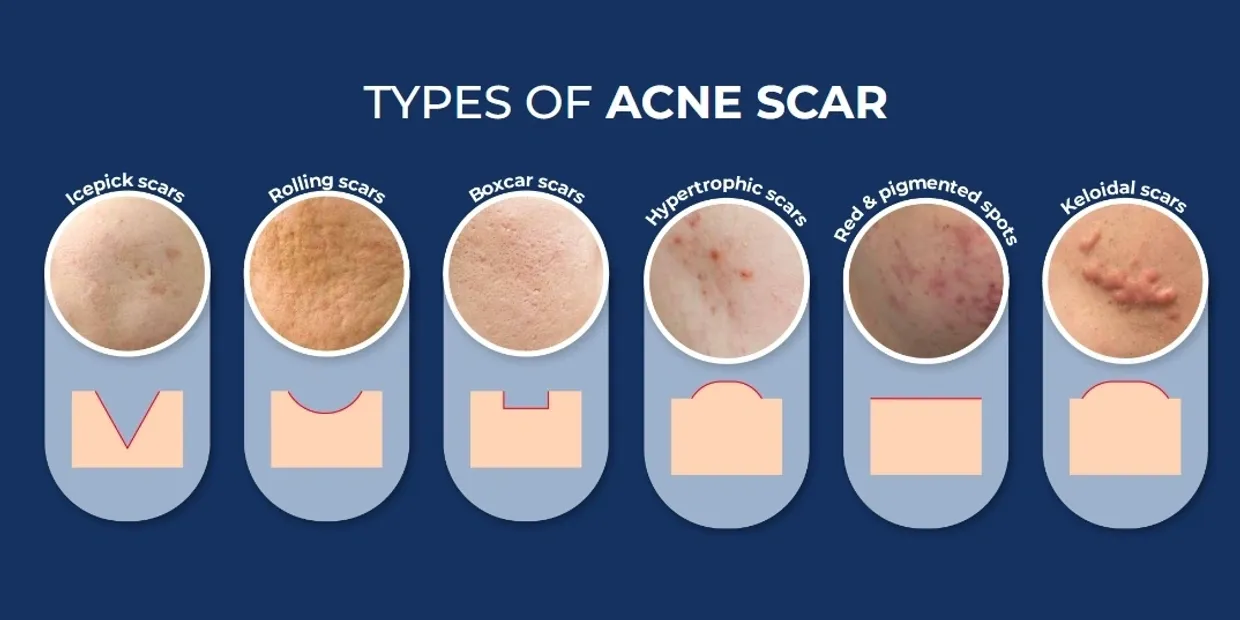
So, before deciding on treatment, know your scar type first. It saves time, money, and guesswork.
Top Clinical Treatments
Laser Therapy
Laser treatments work by resurfacing the skin and triggering collagen renewal. For boxcar or rolling scars, this can lead to smoother texture and tone over time. Popular options include fractional CO2 and erbium lasers. If you’re considering laser acne scar treatment, keep in mind it often takes a few sessions; even so, the payoff can be worth it.
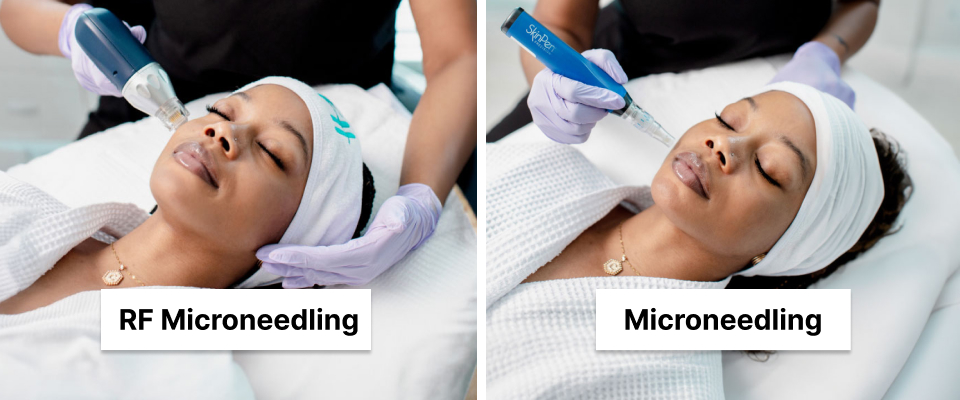
This is a go-to for many because it’s less intense than lasers but still powerful. Microneedles create controlled injuries in the skin, pushing your body to make more collagen. When paired with radiofrequency (RF), the results get a noticeable boost. Microneedling for acne scars works especially well for rolling scars and shallow pitting.
Chemical Peels
A chemical peel for acne scars involves using acids like glycolic or salicylic to peel away dead skin and reveal fresher layers. Medium and deep peels are great for boxcar or post-inflammatory pigmentation.
However, be cautious with darker skin tones — not every peel is created equal.
Dermal Fillers & Subcision
Subcision breaks up the fibrous bands pulling your skin down (perfect for rolling scars). Pair that with dermal fillers like hyaluronic acid, and you get instant plumpness. While fillers aren’t permanent, they’re a solid option if you want quick results without downtime.
PRP Therapy
Platelet-rich plasma (PRP) uses your own blood’s healing factors to support skin regeneration. Often combined with microneedling, PRP boosts recovery and encourages collagen production. It’s subtle, yet effective.
Surgical & Specialized Procedures
Dermabrasion & Punch Techniques
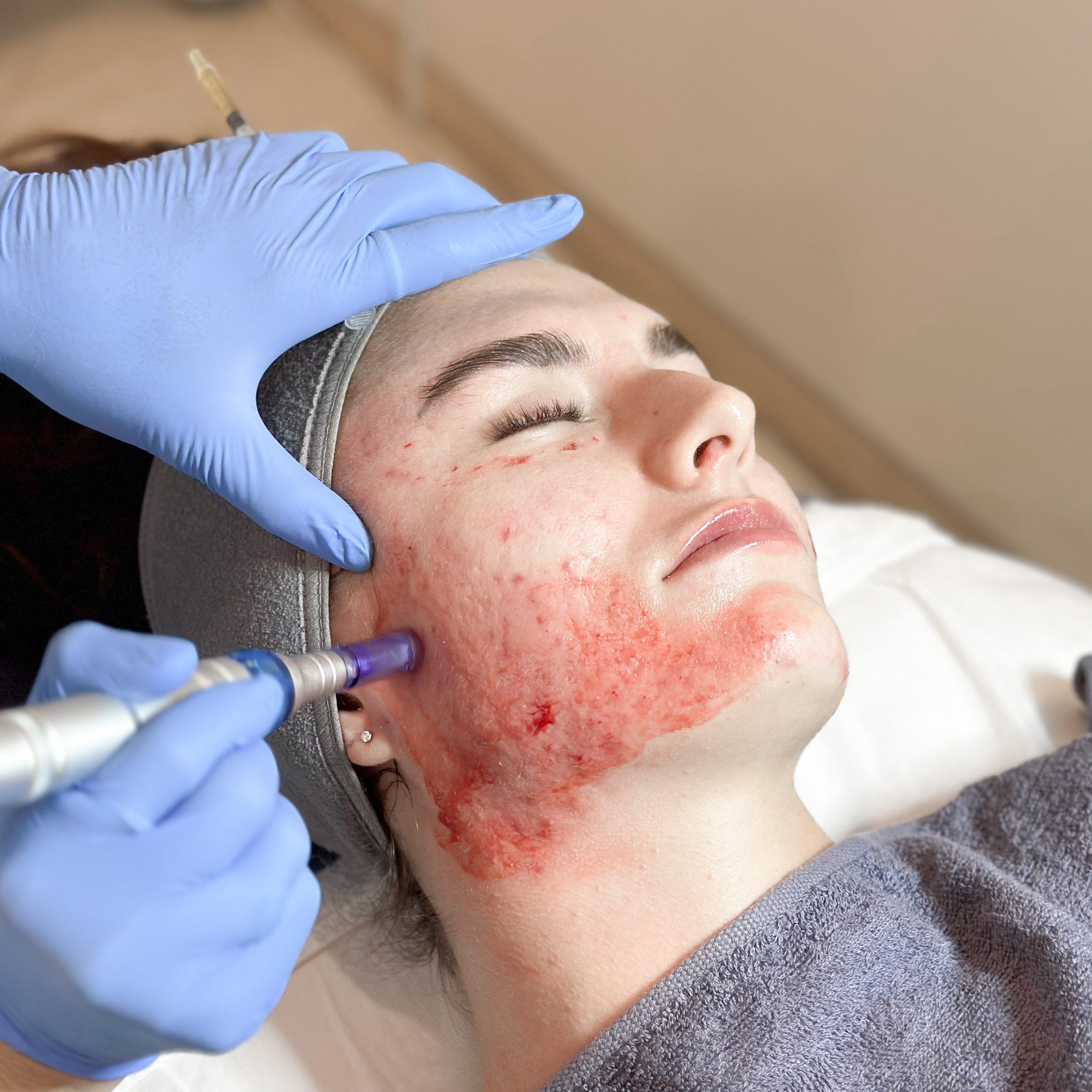
If the scar is too stubborn, dermatologists may resort to surgery. Dermabrasion scrapes the top layer of skin using a high-speed brush. Punch excision works like a cookie cutter to remove deep scars (like ice pick types), while punch grafting replaces them with smoother skin patches.
Keloid Scar Treatment
Keloid scars are tricky — they often grow past the original breakout and tend to come back even after treatment. Treatment usually means combining steroid injections, laser therapy, and sometimes surgical removal. Even then, keloids can return, so long-term monitoring is key.
At-Home & OTC Support
Not ready for clinical treatments? Well, good news; there are mild options too. Retinoids, vitamin C, and niacinamide can slowly fade discoloration. Scar creams with silicone or onion extract help flatten raised spots over time.
Also, protect your skin daily with sunscreen. No matter the treatment, UV exposure can worsen scars or undo your progress. Good skincare doesn’t fix everything; nonetheless, it supports your results and helps with how to reduce acne scars naturally.
How to Choose the Right Treatment
Here’s what to think about:
- What kind of scars do you have?
- Are you still breaking out?
- What’s your budget and downtime flexibility?
- Is your skin sensitive or darker in tone?
The answer to what is the best treatment for acne scars will always depend on these factors. That’s why personalized advice from a dermatologist matters — they help you mix and match options safely.
Timeline, Results & Maintenance
Healing takes time. Expect progress — not perfection — in the first few months.
| Treatment | Sessions Needed | When You See Results |
| Laser Therapy | 1–3 sessions | 2–6 months |
| Microneedling (RF) | 3–6 sessions | 3–9 months |
| Chemical Peels | 3–5 peels | 1–3 months |
| Dermal Fillers | Every 6–12 months | Immediate |
| Subcision | 1–3 sessions | 1–2 months |
Maintenance is crucial. Don’t skip your skincare, and don’t pick your skin again because you’ll risk forming new scars.
Risks & When to See a Dermatologist
Some treatments can cause irritation, pigment changes, or worsen scarring if not used properly, especially in sensitive or darker skin tones.
You should talk to a dermatologist if:
- Your scars are deep or bumpy
- At-home remedies haven’t worked
- You want visible, long-term results
- Your scars affect your confidence
Dermatologists don’t just treat your skin — they help you protect it from further damage.
FAQs
- What is the best treatment for acne scars?
– There’s no one-size-fits-all answer. It depends on scar type, skin tone, and sensitivity. Laser, microneedling, fillers, and peels are common options. - Can acne scars go away completely?
– Some can fade significantly, others may never fully disappear. Combination therapy often gives the best outcome. - Is microneedling for acne scars effective?
– Yes, especially when done in-clinic. It helps with texture, especially for rolling and boxcar scars. - How long does acne scar removal take?
– Expect results gradually — usually 2 to 6 months, depending on the treatment. - Do chemical peels really work for scars?
– Yes, especially for surface-level discoloration and shallow scars. Deeper scars need stronger solutions.
Tying Up
Ultimately, what is the best treatment for acne scars? It really depends on your skin and the type of scarring — not one-size-fits-all trends. Whether it’s microneedling for acne scars, laser acne scar treatment, or a chemical peel for acne scars, your journey to smoother, clearer skin starts with choosing the right approach.
At Alora Skin Clinic, we’re here to help you move forward. Book a consultation today and let’s talk about what works for your skin.