
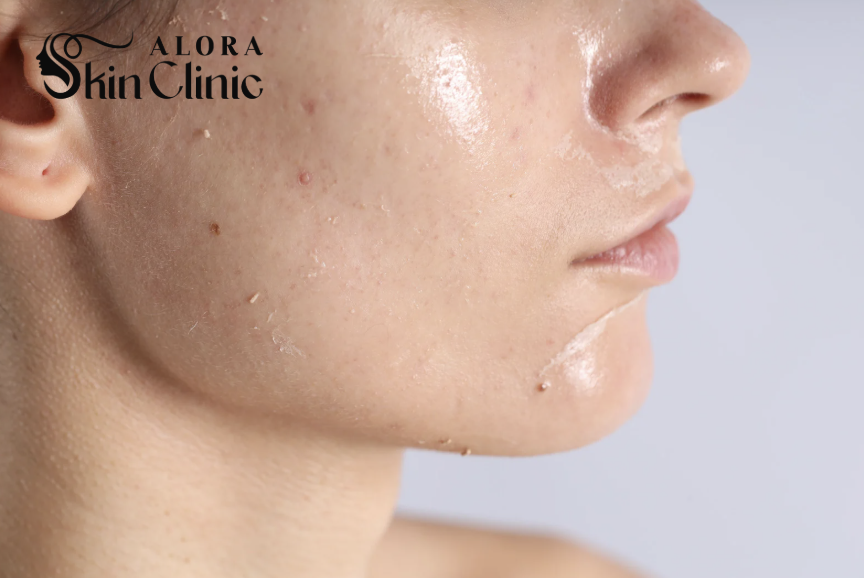
Sensitive Skin & Autoimmune Conditions: A Gentle, Effective Skincare Approach
Living with sensitive or reactive skin — especially alongside conditions like eczema, psoriasis, or autoimmune-related inflammation — can feel unpredictable and frustrating.
You try a new product, hoping it will help… and instead, your skin reacts.
You simplify your routine… and still experience dryness, redness, or flare-ups.
If this sounds familiar, the issue isn’t that you’re doing something wrong. It’s that your skin requires a different strategy — one focused on supporting, calming, and protecting, rather than correcting.
This guide will help you understand how to care for sensitive skin properly and build a routine that works with your skin — not against it.
Why Sensitive Skin Needs a Different Approach
When skin is sensitive or affected by autoimmune conditions, the skin barrier is often compromised.
Think of your skin like a protective wall:
• Skin cells = structure
• Lipids (oils) = support between cells
When this barrier weakens:
• Moisture escapes easily → dryness and tightness
• Irritants enter more easily → redness and inflammation
Standard skincare routines — especially those with strong actives — are often too aggressive for this type of skin.
The goal is not to “fix” your skin quickly.
The goal is to stabilize and strengthen it over time.
The 3 Principles of Sensitive Skin Care
1. Remove Irritants
The first step is reducing triggers.
Common irritants include:
• Fragrance (including essential oils)
• Alcohol-based products
• Foaming cleansers with sulfates
• Physical scrubs or harsh exfoliation
• Hot water when cleansing
Reducing irritation allows the skin to calm down and begin healing.
2. Support the Skin Barrier
Once irritation is minimized, the focus shifts to rebuilding.
Look for ingredients that strengthen and soothe the skin:
• Ceramides (barrier repair)
• Niacinamide (calming + strengthening)
• Glycerin (hydration)
• Colloidal oatmeal (soothing)
• Centella asiatica (anti-inflammatory support)
These ingredients help restore balance and reduce reactivity.
3. Observe and Adjust
Sensitive skin changes over time.
To avoid triggering reactions:
• Introduce one product at a time
• Patch test new products
• Track how your skin responds
• Adjust based on seasonal or lifestyle changes
Consistency and observation are key.
A Simple 4-Step Routine for Sensitive Skin
Step 1: Gentle Cleansing
Use a mild, non-foaming cleanser that cleans without stripping natural oils.
Avoid anything that leaves your skin feeling tight.
Step 2: Hydration
Apply a hydrating product while your skin is slightly damp.
Look for simple formulas with glycerin or hyaluronic acid.
Step 3: Moisturize and Repair
Use a barrier-repair moisturizer containing ceramides and calming ingredients.
For very dry skin, thicker creams may be more effective.
Step 4: Daily Sun Protection
Sun exposure can trigger inflammation and worsen sensitivity.
A mineral sunscreen (zinc oxide or titanium dioxide) is often better tolerated.
SPF 30+ is recommended daily.
Condition-Specific Considerations
Eczema (Atopic Dermatitis)
Focus on:
• Deep hydration
• Thick barrier creams
• Avoiding fragrance completely
Consistent moisturizing is essential to reduce flare-ups.
Psoriasis
Focus on:
• Keeping skin hydrated
• Softening buildup gently
• Avoiding aggressive exfoliation
Professional guidance is often helpful for managing scaling safely.
Lupus & Photosensitivity
Focus on:
• Strict sun protection
• Avoiding UV exposure
• Using mineral sunscreen daily
Sun exposure is a major trigger and should be managed carefully.
Frequently Asked Questions
Can sensitive skin use active ingredients like retinol?
In some cases, yes — but only under guidance and at very low frequency. Many individuals with reactive skin benefit more from focusing on barrier repair first.
How do I know if it’s a flare-up or a product reaction?
Product reactions often appear quickly and are localized.
Flare-ups may follow patterns and can involve broader inflammation.
If unsure, stop new products and simplify your routine.
How long does it take to calm sensitive skin?
Most people begin to notice improvement within 2–4 weeks when following a gentle, consistent routine.
Sensitive Skin Treatment in Scarborough
If your skin remains reactive despite simplifying your routine, a professional assessment can help identify underlying triggers and create a more effective plan.
At Alora Skin Clinic, we focus on:
• Skin barrier health
• Inflammation control
• Product compatibility
• Personalized treatment planning
We take a gentle, results-focused approach designed specifically for sensitive and reactive skin types.
📍 Located inside Pharmasave at 21 Glendinning Ave, Scarborough
📞 Call (647) 547-0597 to schedule your consultation and receive a personalized skincare plan tailored to your needs.