
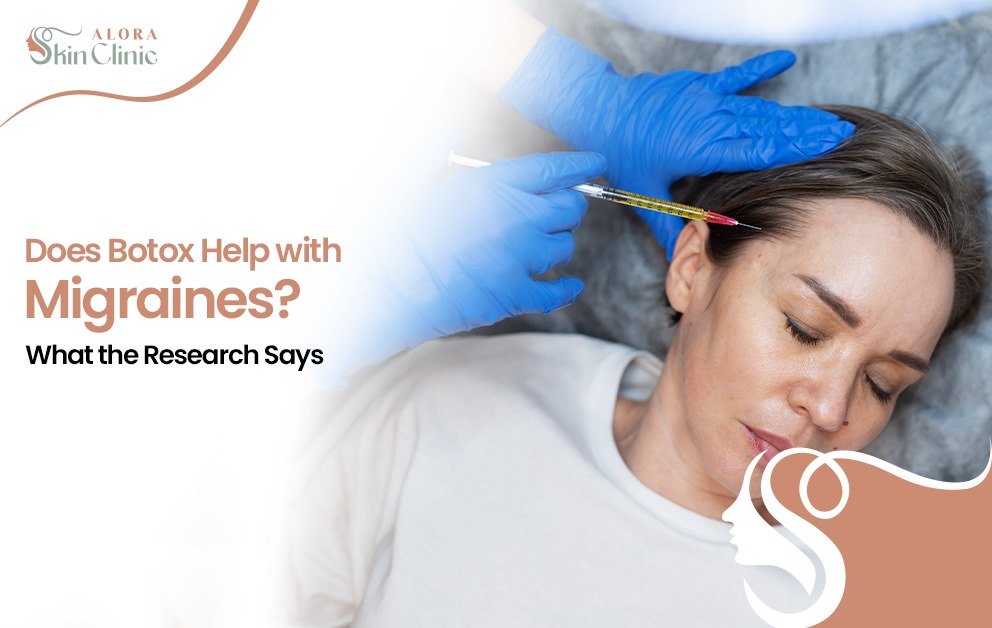
Waking up with a migraine feels like starting your day in survival mode. Light hurts, sounds irritate, and all you want is relief that lasts longer than a few hours.
People around the world have been exploring alternatives that offer real control. Among these options, Botox has emerged as a surprising yet reliable choice. What began as a cosmetic trend has evolved into a clinically validated option for migraine sufferers.
What Are Chronic Migraines?
Chronic migraines are a neurological disorder defined by the International Classification of Headache Disorders (ICHD‑3) as experiencing headache on 15 or more days per month, for at least three consecutive months, with at least 8 of those days featuring migraine symptoms like:
- Throbbing or pulsating pain
- Moderate to severe intensity
- Pain that worsens with movement
- Sensitivity to light or sound
- Nausea or vomiting
The toll isn’t just physical. Even simple errands can feel like climbing a hill. That’s why discovering relief through options like Botox treatment for chronic migraines truly matters.
How Does Botox Work for Migraines?
Unlike oral medications that try to stop a migraine once it’s started, Botox steps in before pain even begins. It targets nerve endings in the head and neck, blocking neurotransmitters like CGRP from sending pain signals.
Botox is injected into specific areas where migraines are believed to start. These areas include the forehead, temples, neck, shoulders, and back of the head — all rich in overactive nerves.
| Injection Area | Purpose |
| Forehead | Reduces tension/pain signals |
| Temples | Targets migraine trigger zones |
| Back of Head | Nerve block for occipital pain |
| Neck & Shoulders | Relieves muscle tension |
This neurological use of Botox helps reduce the frequency and intensity of attacks, forming a preventative strategy rather than reactive relief.
What the Research Says
Botox’s evolution from wrinkle smoother to migraine therapy is backed by solid science. The FDA approved Botox as an FDA-approved migraine treatment in 2010 — a pivotal moment that opened doors for people who had run out of options.
The PREEMPT clinical trials, among the most comprehensive migraine studies, showed that Botox could cut down migraine days by up to 8–9 days per month. That’s nearly a third of the month returned to people who were living in a fog of pain.
Over time, results tend to improve. People often report better outcomes after the second or third treatment cycle, making consistency key.
What to Expect During Botox for Migraines
A Botox migraine treatment doesn’t involve a hospital stay or downtime. The whole appointment takes about 15–20 minutes and is typically done in a clinic setting. A trained provider will use a fine needle to make 31 small injections across 7 targeted muscle groups.
| Step | Description |
| Appointment Length | 15–20 minutes |
| Number of Injections | 31 total |
| Injection Points | Forehead, temples, neck, shoulders, scalp |
| Discomfort Level | Mild — often described as light pinching |
| Recovery Time | Immediate — back to daily life same day |
| Frequency of Treatment | Every 12 weeks |
No sedation. No missed work. Just a quick visit that may lead to lasting relief.
Has Botox been proven effective for migraine prevention?
Botox has a well-established place in chronic migraine management. Its results aren’t just backed by data. They’re confirmed by real-world success from thousands of patients. As more people turn to Botox for headache prevention, it’s clear that the results go beyond placebo.
Benefits and Potential Side Effects
When considering any treatment, it’s important to weigh the pros and cons.
| Benefits | Potential Side Effects |
| Fewer migraine days per month | Temporary neck stiffness |
| Less intense migraine symptoms | Mild swelling or bruising at the injection site |
| Improved productivity and mental clarity | Rare eyelid drooping |
| Non-surgical and minimally invasive process | Flu-like symptoms (rare) |
| Dual purpose: therapeutic and cosmetic zones | Should be avoided during pregnancy |
Though side effects are typically mild, reviewing your full medical history with your provider ensures a smoother experience.
Who Is a Good Candidate for Botox Migraine Treatment?
Botox is specifically approved for chronic migraine sufferers — those with at least 15 headache days per month, half of which must be migraines. This treatment isn’t typically used for occasional or episodic migraines.
During a consultation, your provider will take a close look at your:
- Headache history
- Previous treatments you’ve tried
- General health and any medications you’re on
This one-on-one evaluation helps determine if migraine injection therapy is the right fit — it’s all about creating a plan that’s safe and effective for you.
Why Choose Alora Skin Clinic?
At Alora Skin Clinic in Scarborough, migraine care is delivered with the same precision and warmth as our skincare services. Our trained aesthetic expert, Saharnaz Bodaghi, follows the highest medical standards when administering Botox. She combines clinical technique with a gentle touch that makes a real difference.
Whether you’re seeking Botox migraine relief or exploring cosmetic enhancements alongside it, we’re here to guide every step.
FAQs
- Is Botox covered by insurance for migraines?
– Most insurance providers do cover Botox for migraines once you’ve met certain criteria, such as diagnosis and previous failed treatments. Always check directly with your provider. - How soon will I see results?
– Some people notice changes after the first session. For most, the full effects kick in after the second or third cycle — usually over the course of 6 months.
Results Timeline Table
| Treatment Cycle | Typical Result |
| After 1st round | Slight reduction in symptoms |
| After 2nd round | Moderate decrease in attacks |
| After 3rd round | Significant reduction/stabilization |
- Can I get Botox for both migraines and cosmetic concerns?
– Yes, many do. Botox can be customized based on your goals. Both cosmetic and medical concerns can be treated in the same session when managed properly. - Is it safe to use long-term?
– Long-term use of Botox for migraines has shown strong safety results in multiple studies. When administered by licensed professionals, it’s considered both safe and sustainable.
End Note
So, does Botox help with migraines? The evidence speaks for itself. This treatment offers a clear path forward for those caught in a cycle of chronic migraine pain.
At Alora Skin Clinic, we’re proud to provide care that goes beyond surface-level fixes. Whether you’re exploring Botox for migraine relief or pairing it with your skincare goals, we’re here to help you move forward with confidence.